

With European vehicle production still below pre-pandemic levels, Elmia Subcontractor offered a close look at how suppliers can serve more markets and make faster decisions on the shop floor.
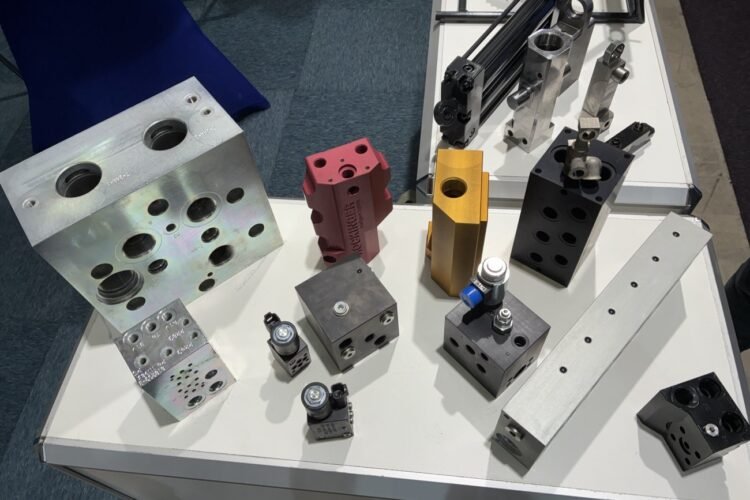
JÖNKÖPING, Sweden — A clear plastic housing, a flexible seal and a machined block look like three different stories. At Elmia Subcontractor, they raised the same question: how quickly can a supplier show that the first part meets the drawing, including features that are difficult to reach?
Elmia reports that 954 exhibitors from 30 countries took part on 10–12 November 2026. The event came at a difficult time for vehicle manufacturing. According to the European Automobile Manufacturers’ Association, the EU made about three million fewer vehicles in 2025 than in 2019. The Swedish Defence Materiel Administration took part in Elmia’s main-stage programme, a sign of how procurement and supply-chain resilience featured in the discussions.
A Swedish government report adds context. The number of licence holders for manufacturing or supplying military equipment has tripled since 2018, principally through subcontractors entering the supply chain. Sweden’s military equipment exports fell by about 4% in 2025. The opportunity for suppliers is in serving a wider range of customers and meeting their requirements for qualification, documentation and traceability.
From moulded polymers to extruded profiles
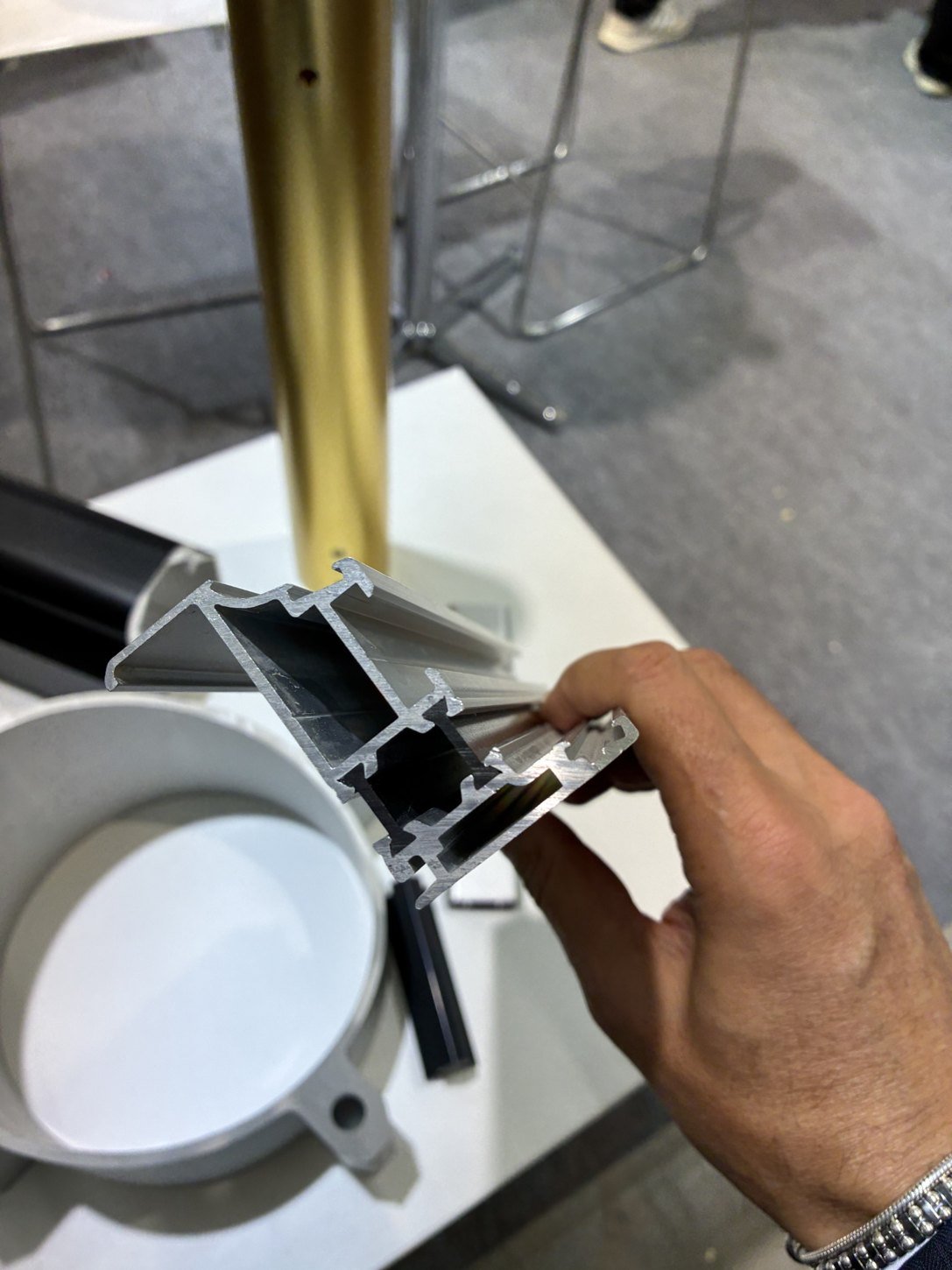
Prototal Group’s display showed how additive manufacturing and injection moulding can both play a role in medical product development. Elsewhere, flexible profiles and aluminium sections made a different challenge tangible. A seal’s cross-section matters to how it fits, and an extrusion can have several internal walls that are awkward to measure directly.
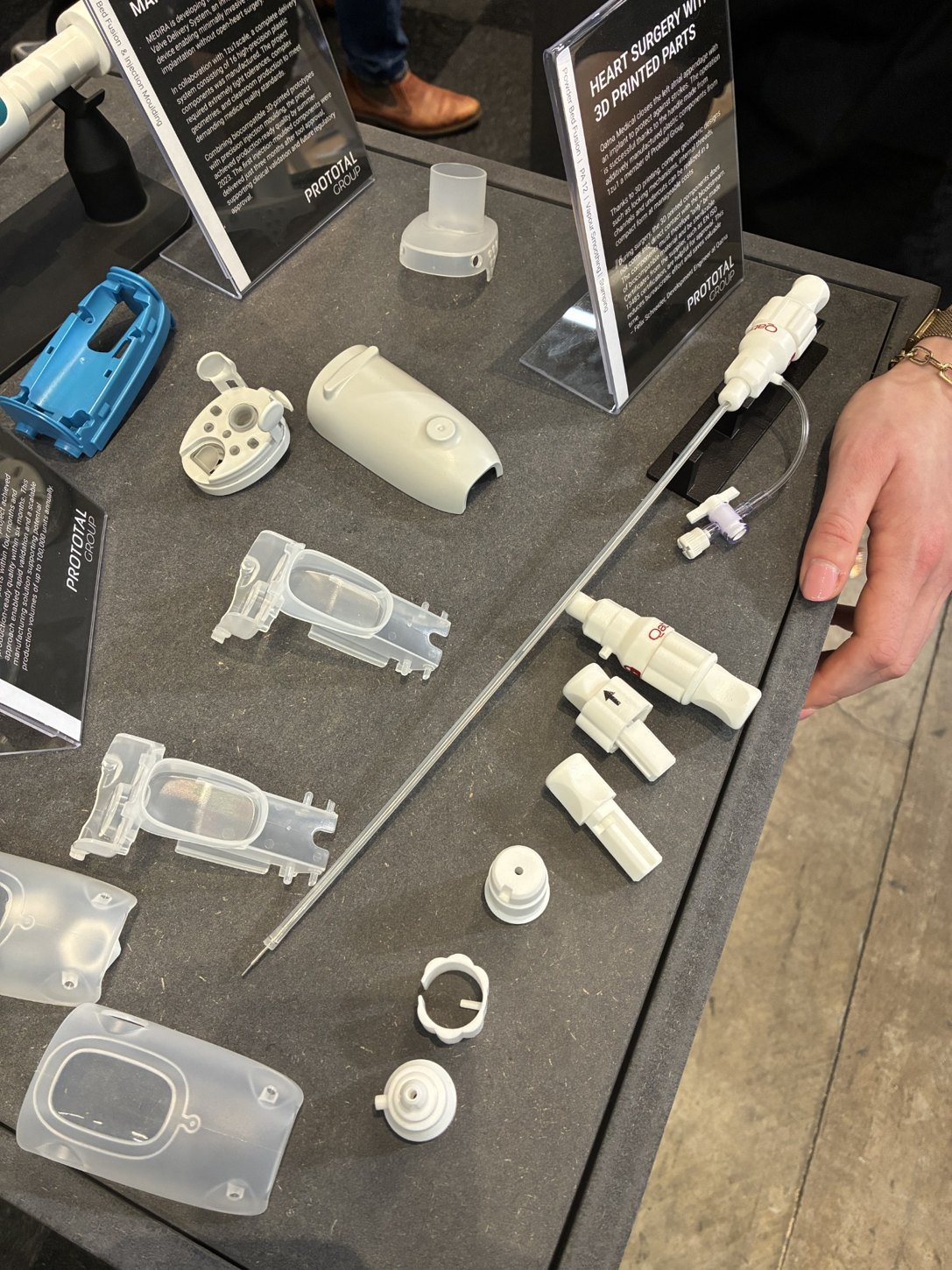
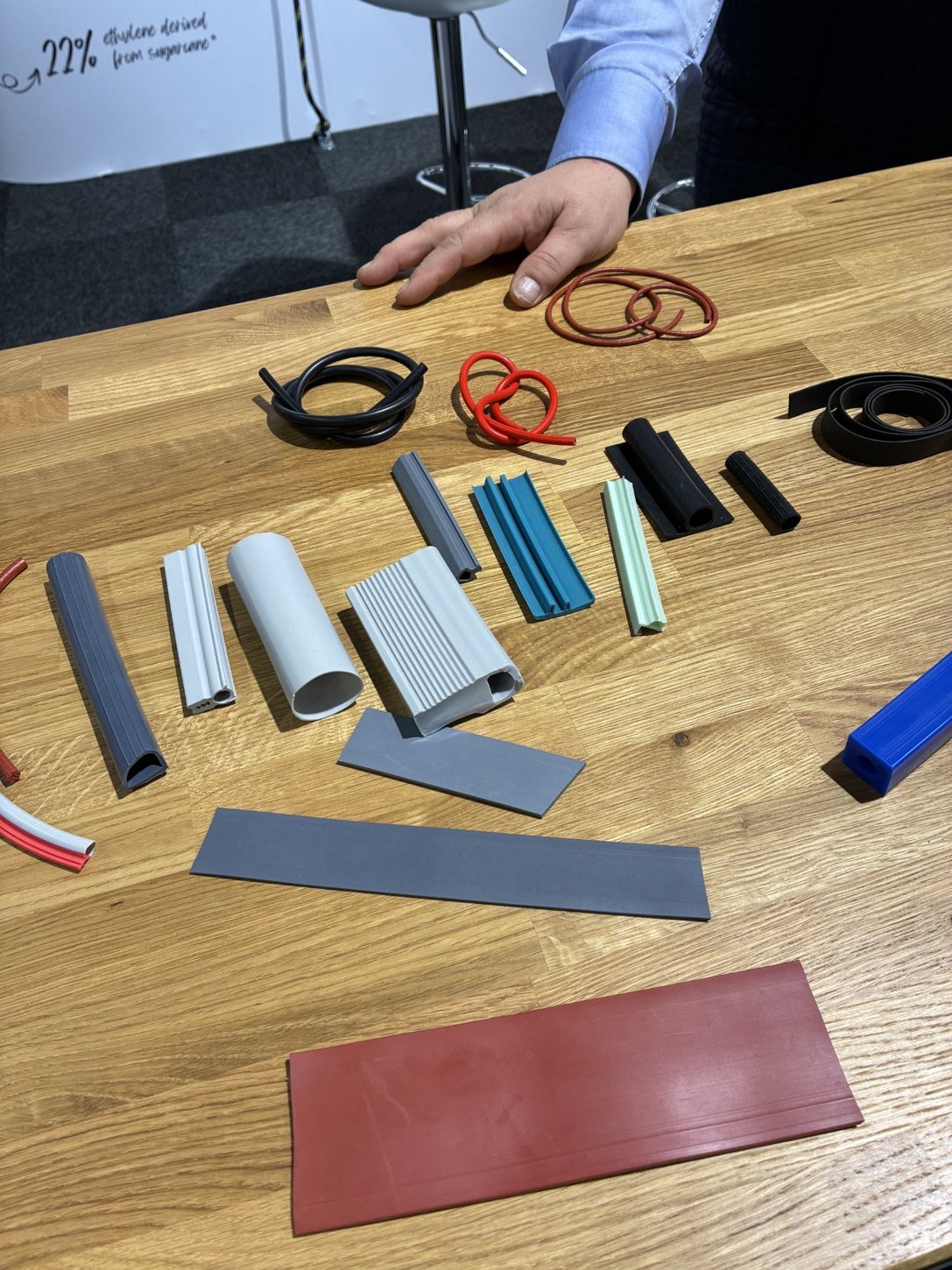
When a moulder changes polymer grade, batch or process settings, variables such as melt and mould temperature help explain how the process behaved. Inspection of the first-off part answers a different question: whether the resulting geometry and internal features meet the acceptance criteria. Getting both sets of information early gives the technician time to adjust the process before the full run.
CoreX ONE brings internal inspection closer to production
At the Metrify Nordic stand, Ready Metrology’s compact, self-shielded CoreX ONE showed what this workflow can look like near the line. An operator loads the sample from above. A programmed inspection can then check selected internal and external dimensions and look for voids against defined acceptance limits. On a hollow extrusion, virtual cross-sections can reveal wall thickness at several locations without cutting the sample.
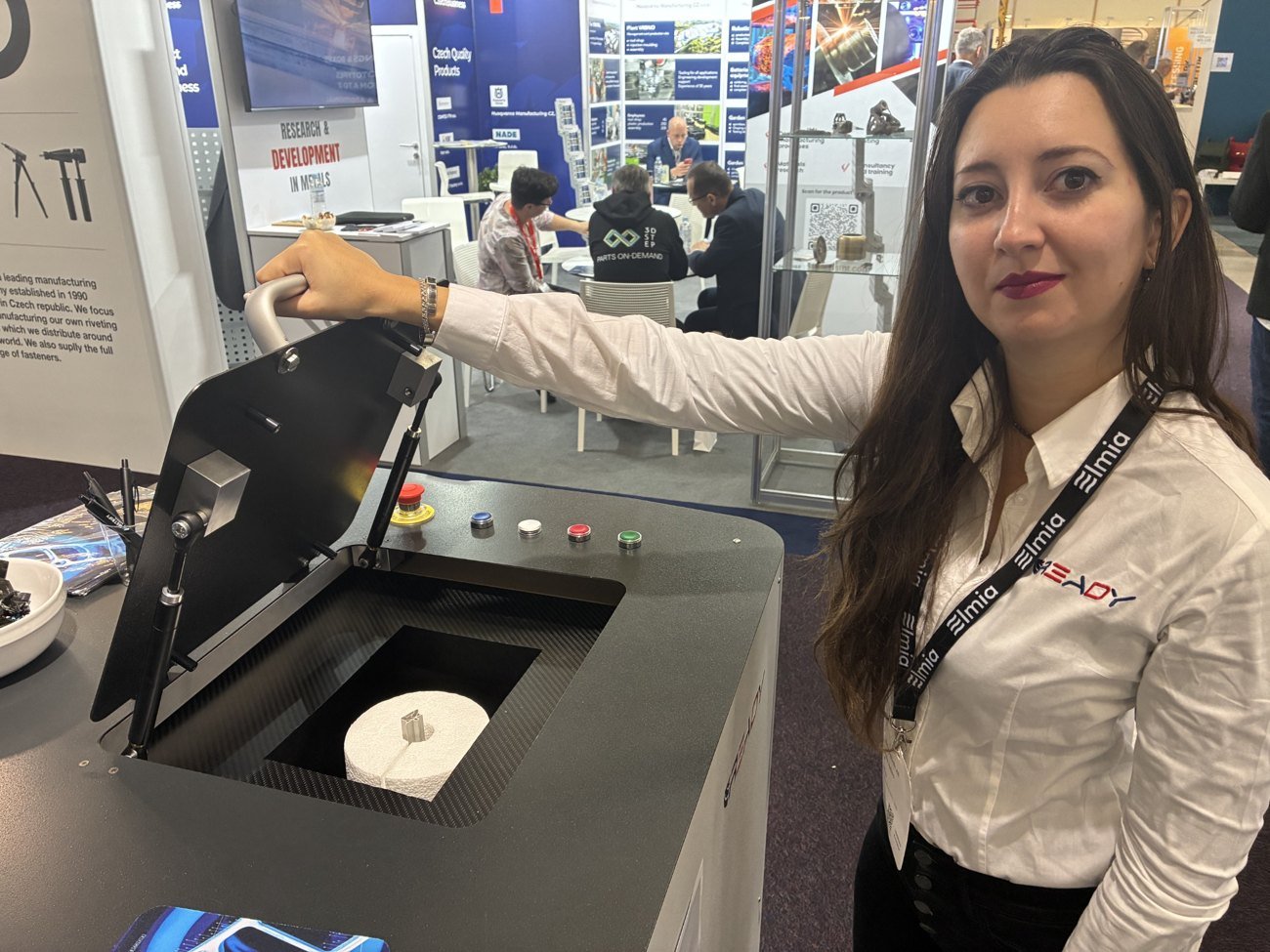
Ready reports acquisition times of 20–30 seconds for selected plastic and rubber applications. For aluminium and titanium, it quotes 40–50 seconds of acquisition with results available within 90 seconds on suitable parts. It also reports setup workflows with a reconstructed volume ready for on-screen analysis in under two minutes. For first-off approval, the figure to benchmark is the full time from loading the part to getting a usable result, at the tolerance and defect-detection limits the job requires.
For a subcontractor, the investment case starts with the current cost of waiting. How often does production pause for a first-off result? How much does the shop spend on external inspection, destructive sectioning or scrap after a changeover? A trial on representative parts can show whether bringing the measurement closer to the machine would shorten the decision enough to justify the cost.
Sources
Comments